 No products in the cart.







ARTISTS
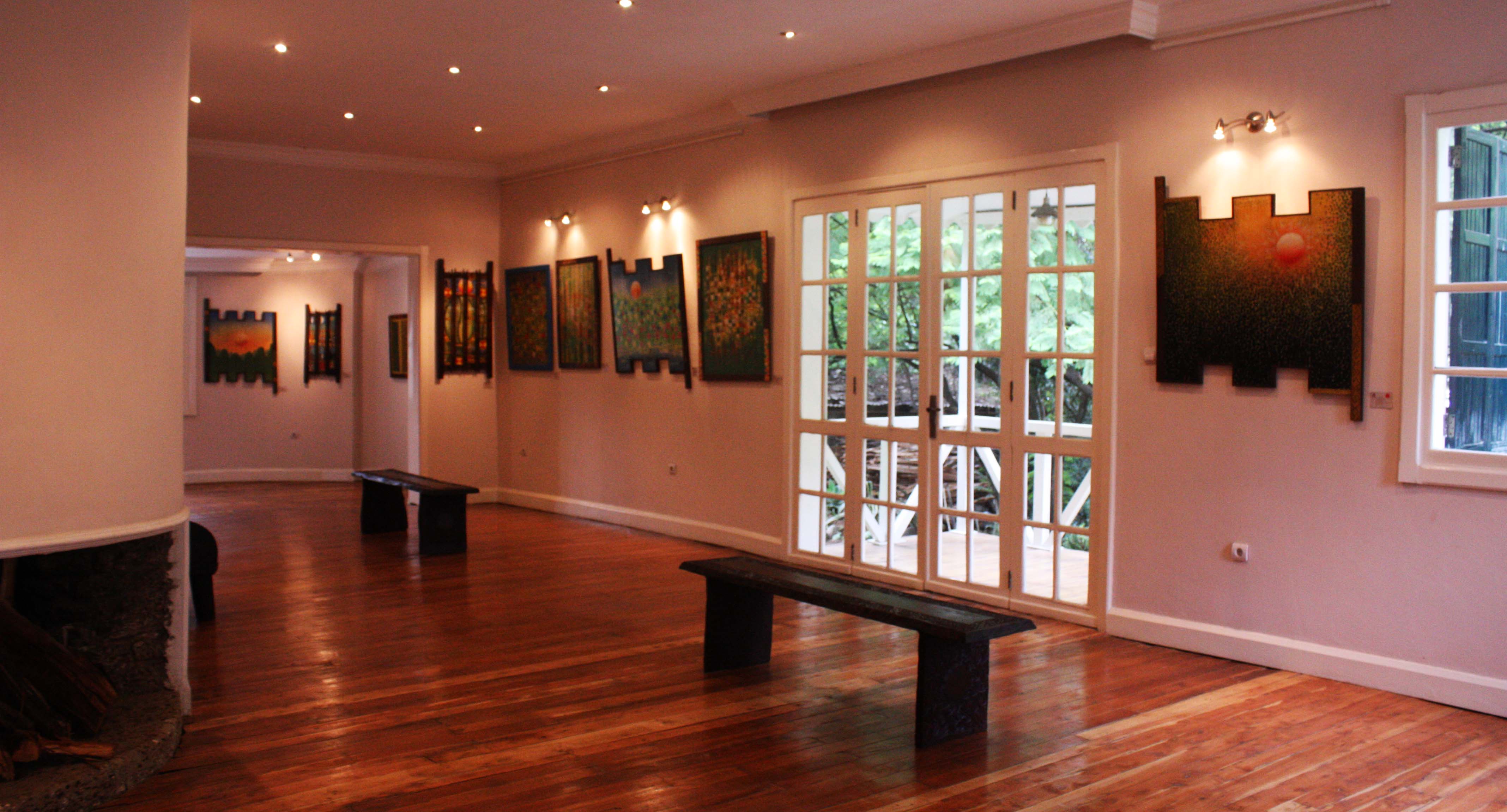
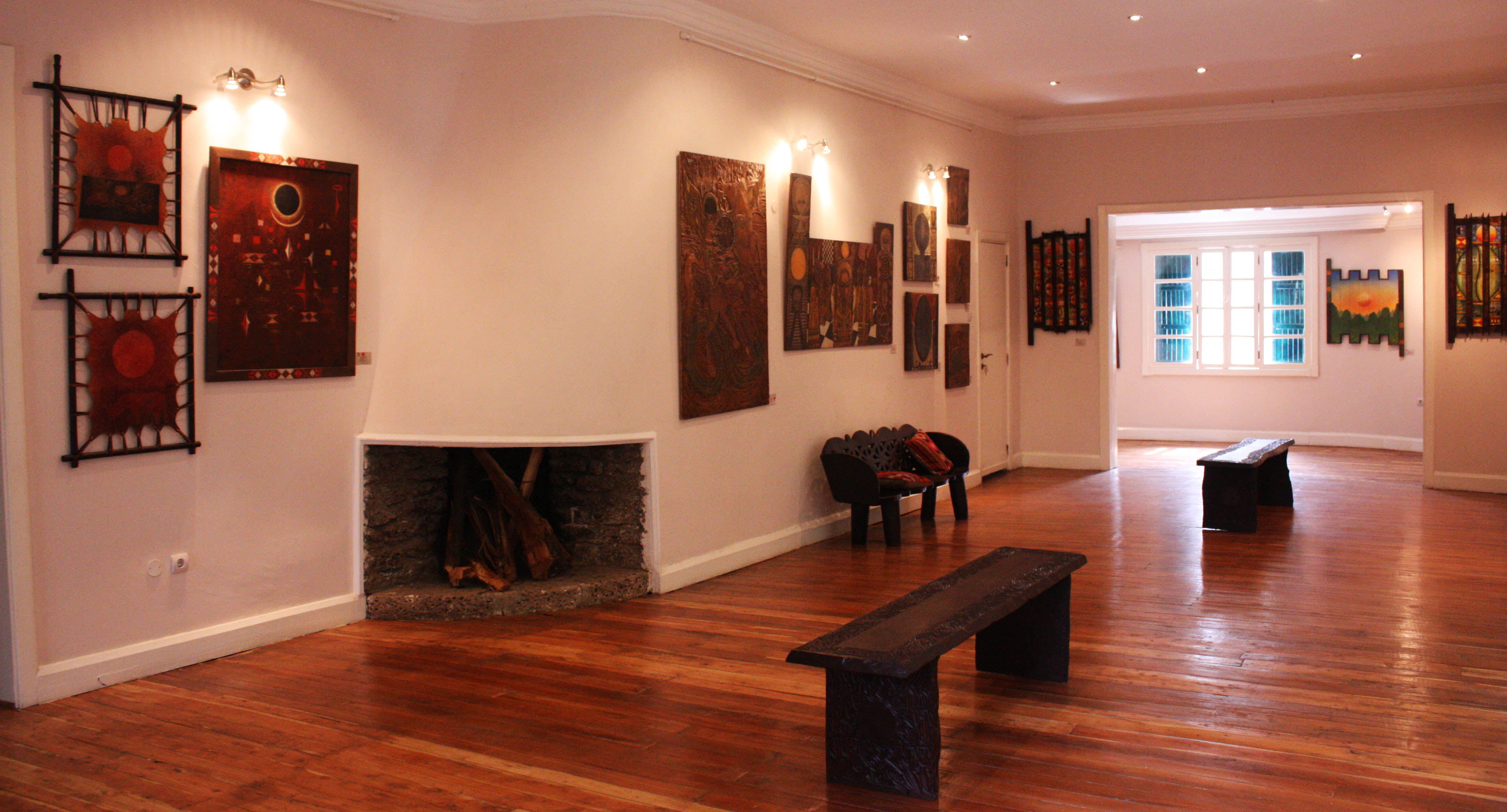
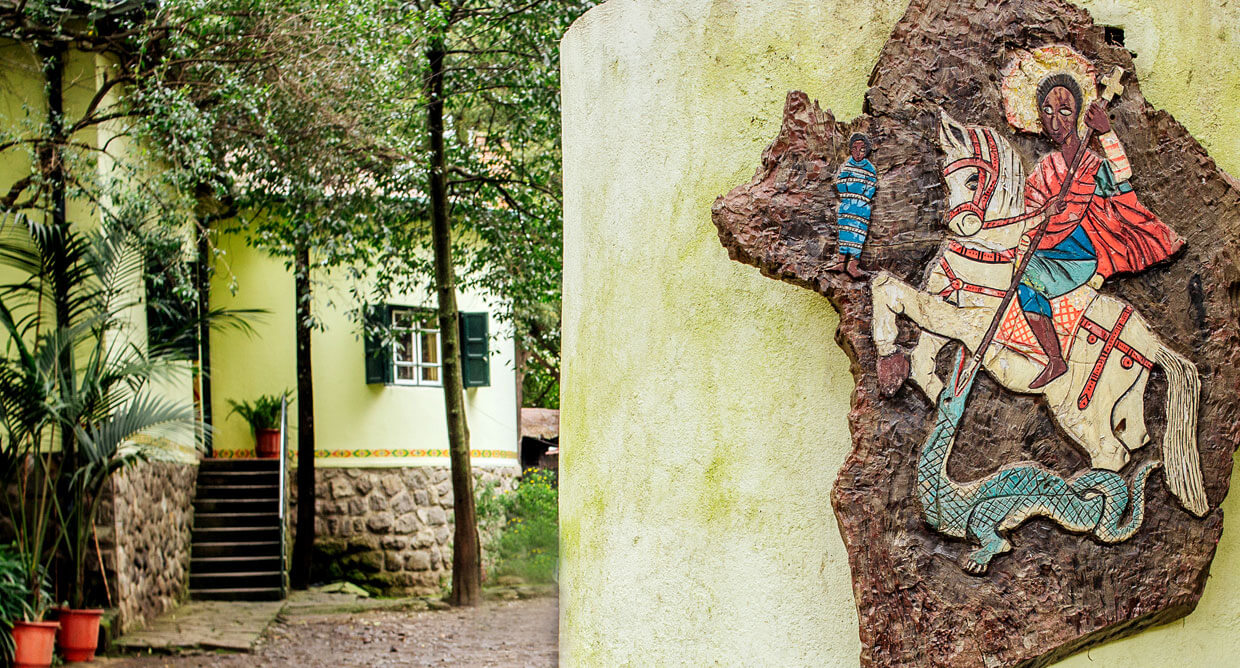
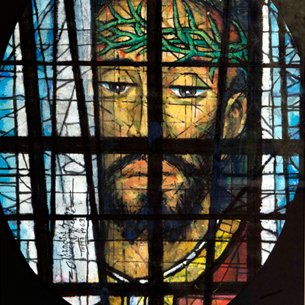
St. George Gallery pioneered the art gallery scene in Addis Ababa, Ethiopia in 1991 and quickly gained a global clientele advising and curating to their collection of African art. Today, St. George Gallery exhibits 35 established and emerging artists whose work reflects a source of inspiration in the contemporary African art scene.
Abera Abrha | Adefris Geletu | Alemaheyu Biratu | Ameneshowa Adanu | Ayele Assefa | Berhan Asmamaw | Daniel Taye | Etsubdink Legesse | Fasil Assefa |Gashahun Kassahun | Getahun Assefa | Girma Seboka | Hailegbral Girma | Hailu Kifle | Joseph Habtemariam | Kibrom Gebremedhin | Leykun Girma | Martha Mengistu | Malen Abebe | Meron Ermias | Mezgebu Tessema | Muluken Debebe | Natnael Ashebir | Robel Birhan | Samuel Sharew | Seyoum Ayalew | Tadesse Wlaregay | Tesfaye Bekele | Wosene Worke Kosrof | Zakarias Ketema | Zerihun Yetmgeta
SABA ALENE
COLLECTIONS
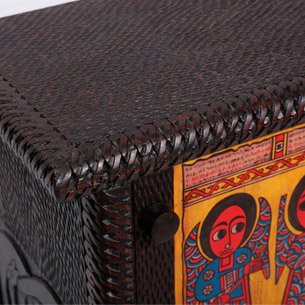
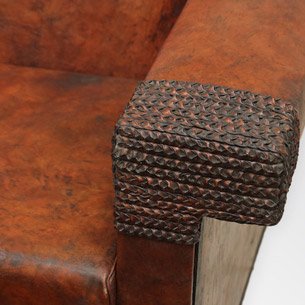
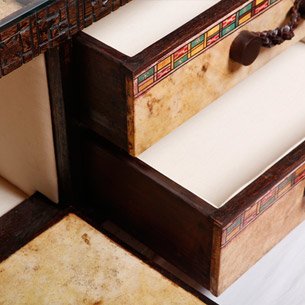
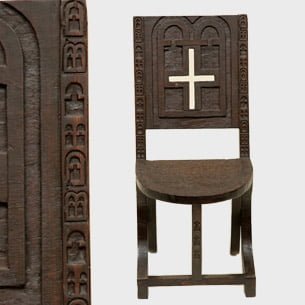
Saba Alene’s award winner designer furniture are handcrafted by skilled artisans at the St. George Gallery in Addis Ababa, Ethiopia. Hand carved elements that reflect Ethiopian symbols and motifs, hand painted scenes from traditional stories and themes, and the leather incorporated into many of the pieces are distinctive features of Saba’s designs.
A small Ethiopian Silver stylization of Saba Alene’s initials in her native language of Amharic identify her furniture collections.

TEXTILE
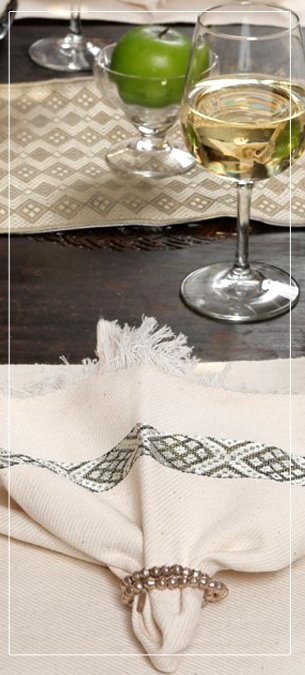
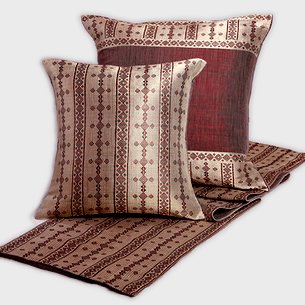
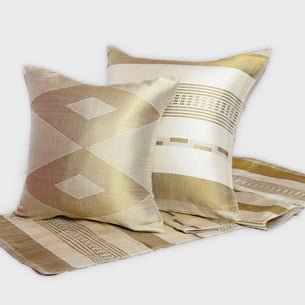
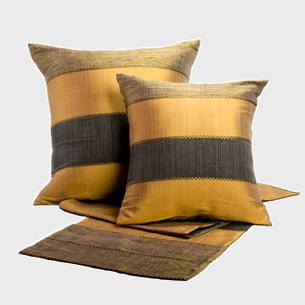
Ethiopia has a long history of hand woven fabrics and textiles. Well into the 20th century, both men and women wore traditional hand woven clothes.
St. George Gallery keeps this traditional craft alive today with employing weavers and purchasing hand woven pieces from home based weavers. The textile design patterns incorporate tibeb patterns, a brightly colored decorative border found around the hem of a traditional Ethiopian dress.

JEWELRY
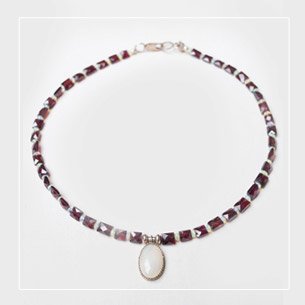
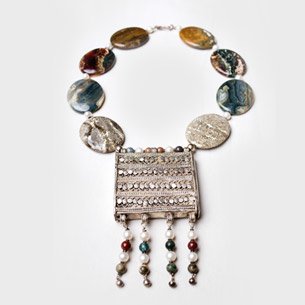
St. George Gallery collaborates with Ethiopian based jeweler Designers, who creates modern jewelry exclusively for us. The contemporary and traditional designs incorporate Ethiopian antique silver, semi-precious gems and African beads into the jewelry that are both timeless and heir-loom quality.
ANTIQUES
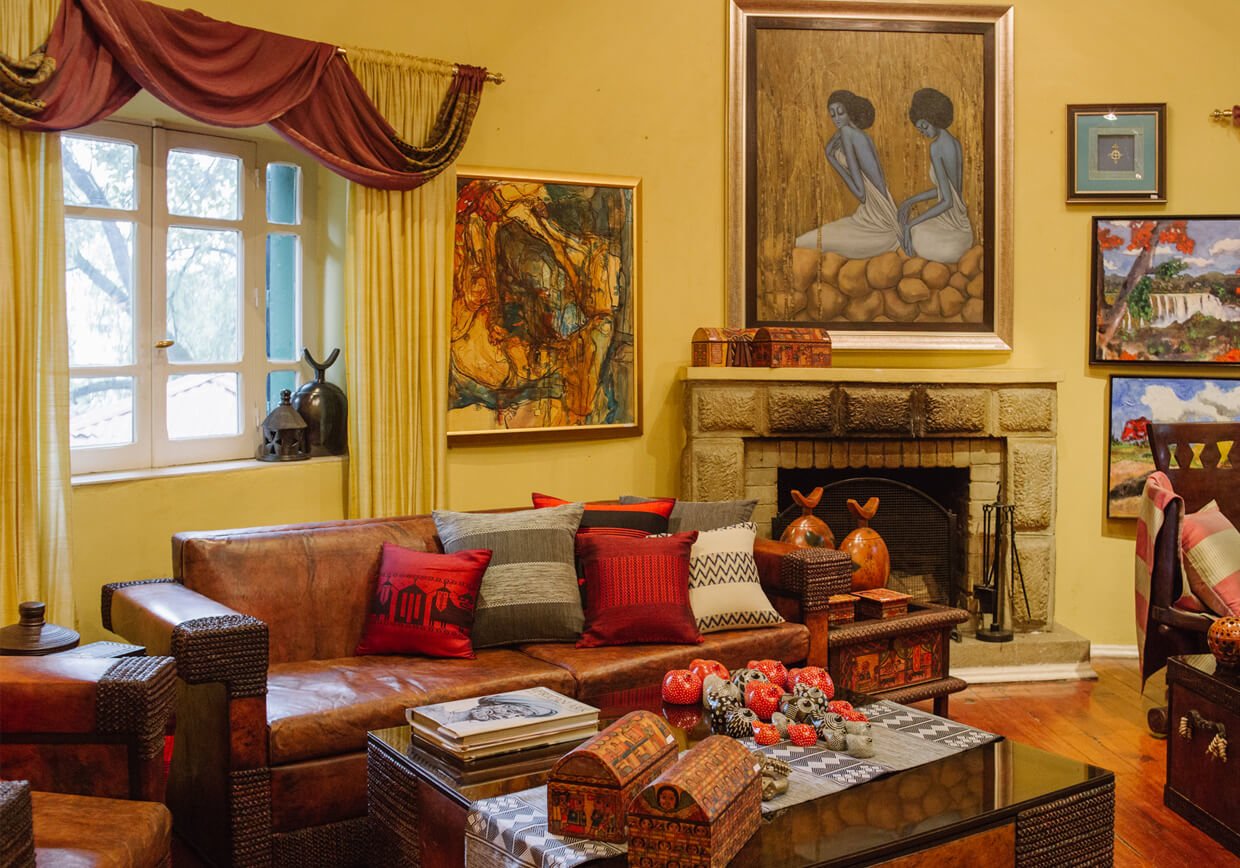
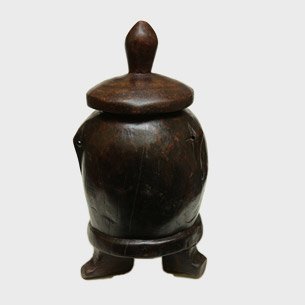
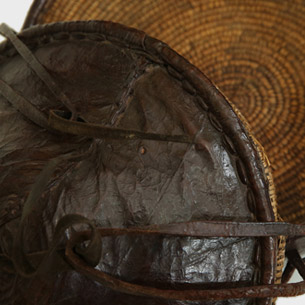
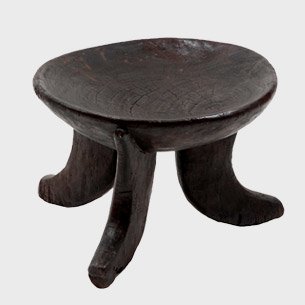
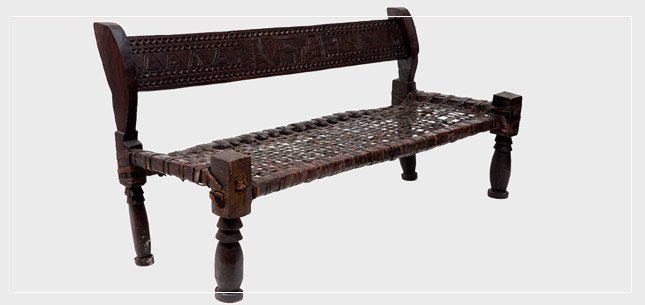
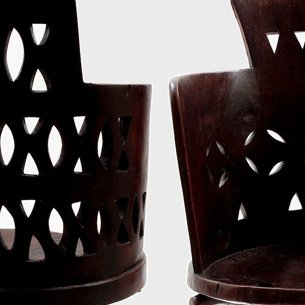
Enthusiasts of St. George Gallery antiques enjoy the abstract sculptural shapes found in the furniture such as the Jimma chairs. With the chocolate-y patina and dark and dense wood, our antique furniture feels at once contemporary and timeless, and blends well with other kinds of furniture. The furniture is very textural and one cannot resist to touch the sensuous surfaces.
POTTERY
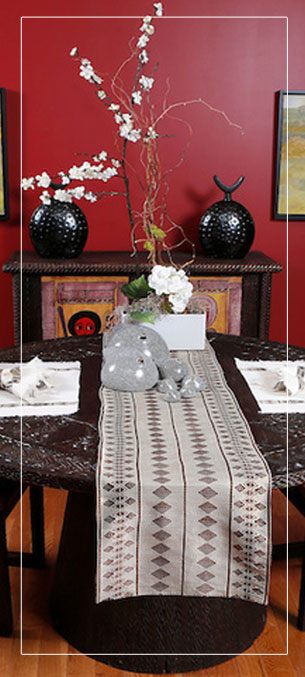
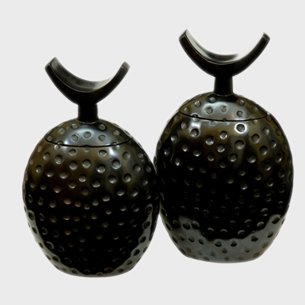
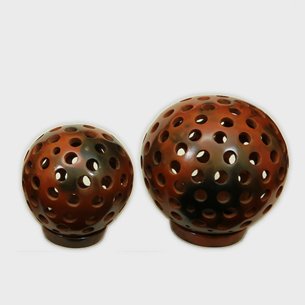
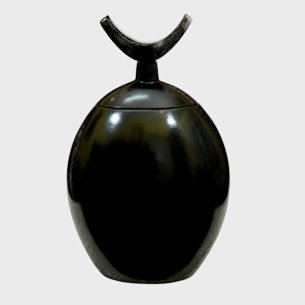
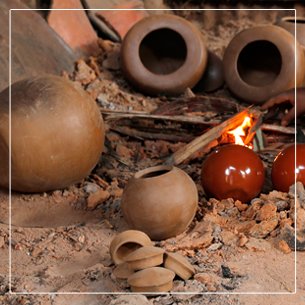
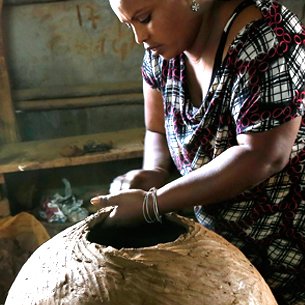
St. George Gallery collaborates with the women potters’ cooperative located in Addis Ababa, Ethiopia to create handcrafted pottery. The chic modern design of the vases are objects of art, and our signature item, whimsical guinea hens are a fun curiosity!
ARTISANS
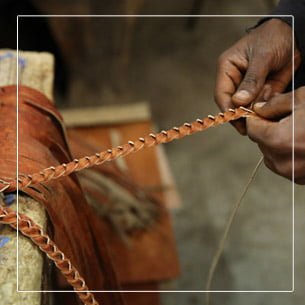
Ethiopia’s long history of artisans and their crafts reflects the cultural diversity of the country and the communities from which the artisans reside. Crafts are an important part of everyday life and the specific knowledge of the skills of trade in their community is passed down from one generation to the next.
